Homey: A Groovy Display Font for Nostalgic Editorial Projects
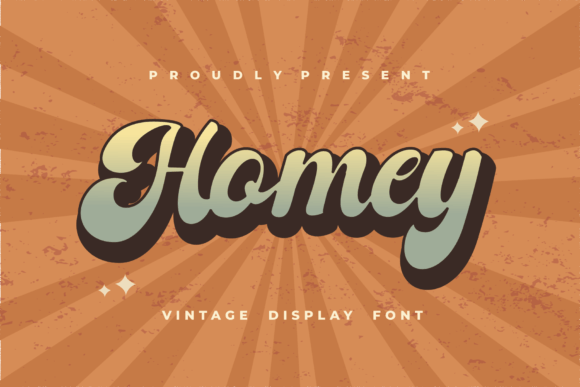
Choosing the right font for a blog header can feel like selecting the perfect soundtrack for a summer evening—something that sets the mood, draws attention, and feels just right. When I first encountered Homey, a vintage, groovy display font, it immediately brought to mind the free-spirited era of the 70s, with its bold strokes, psychedelic curves, and retro charm. As an editorial designer, I was eager to test Homey in real publishing scenarios, and its impact on a lifestyle blog redesign was nothing short of transformative.
Homey for Lifestyle Blogs and Retro-Themed Content
Homey, as a display font, offers a unique blend of nostalgia and visual appeal that works beautifully in editorial layouts where the tone is relaxed and evocative. When applied to a lifestyle blog header, Homey instantly infused the design with a sense of bohemian flair, making it ideal for content that leans into themes of self-expression, wellness, or travel. The rhythm of the letterforms flows with a natural energy, ensuring that headlines are both eye-catching and easy to read at a distance.
I paired Homey with a clean sans serif font for body copy, which created a balanced contrast between the expressive headline and the straightforward text. This combination allowed the reader’s attention to naturally follow from the engaging title to the informative content below, reinforcing the editorial structure and improving readability without sacrificing style.
Homey in Recipe Ebooks and Cozy Branding
For a recipe ebook focused on comfort food and seasonal cooking, Homey became a cornerstone of the brand identity. Its retro charm aligned perfectly with the warm, inviting atmosphere of the content. Used for chapter titles and pull quotes, Homey added a playful yet elegant touch that resonated with the target audience—home cooks who appreciate both flavor and aesthetics.
The font's bold strokes made it stand out against white space, while its psychedelic curves gave each section a sense of movement and creativity. It also worked well in decorative accents such as headers for ingredient lists or serving suggestions. However, I made sure not to use Homey for longer paragraphs, as its expressive nature could interfere with the legibility of dense text.
Homey for Digital Magazines and Newsletter Graphics
In a digital magazine layout centered around 70s fashion and music, Homey played a central role in shaping the publication's visual identity. From article titles to sidebar headings, the font encapsulated the essence of bohemian culture, drawing readers in with its retro allure. It was particularly effective when used in newsletter graphics, where its bold presence helped break up large blocks of text and guide the reader through the content.
When exporting the magazine as a PDF, I noted that Homey maintained its clarity and character across different resolutions, making it suitable for print materials as well. For mobile layouts, I adjusted the size slightly to ensure it remained legible on smaller screens, proving that Homey is versatile enough for both digital and print environments.
Homey in Coaching Workbooks and Creative Printables
A coaching workbook aimed at helping readers embrace their creative side found a perfect match in Homey. Used for section headers, motivational quotes, and chapter openers, the font added a layer of inspiration and authenticity to the content. Its retro vibe complemented the workbook's focus on self-discovery and personal growth, creating a cohesive and immersive experience for users.
I also incorporated Homey into printable planners and calendars, where it served as a stylish alternative to more modern typefaces. The result was a product that felt both timeless and fresh, appealing to those who value creativity and individuality in their daily routines.
While Homey excels in display roles, it's important to consider its limitations. As a display font, it's best suited for titles, subtitles, pull quotes, and decorative elements rather than extended reading. For body copy, pairing it with a readable serif or sans serif font ensures that the overall layout remains accessible and professional.