Whimping: A Display Font for Bold Digital Branding
I was working on a redesign for a boutique online store when I stumbled upon Whimping. As a display font, it stood out with its experimental flair—something that felt both modern and daring. It wasn’t just about aesthetics; I needed a font that could work across different elements of the site, from hero sections to secondary text.
Whimping for Hero Sections and Landing Page Headlines
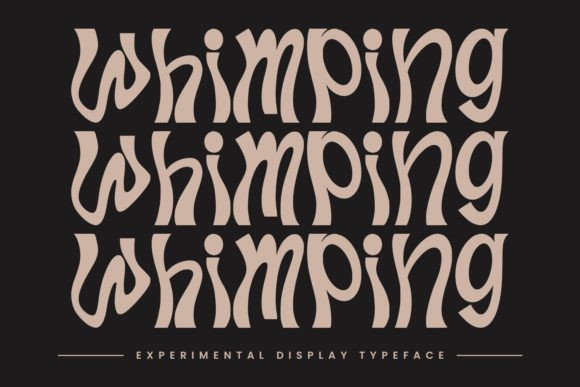
Whimping is an experimental display typeface that caught my eye for its unique structure and visual weight. When I tested it in the hero section of the boutique website, it transformed the headline into something memorable. The bold strokes and slightly irregular shapes gave the landing page a sense of personality without sacrificing clarity. It worked especially well over image banners, where it didn’t get lost in the background.
On mobile screens, I made sure to adjust the size so the text remained legible. Whimping’s character set allowed me to use it for short, impactful phrases like “Discover New Styles” or “Handpicked for You.” Its presence helped guide the user’s attention immediately, reinforcing the brand’s creative identity.
Whimping for Social Media Graphics and Campaign Pages
One of the first places I used Whimping was in social media graphics for the same boutique store. Whimping is good for logo design, but I found it equally effective for promotional posts. The font’s quirky yet elegant feel matched the brand’s tone perfectly. Whether it was a post announcing a new collection or a countdown to a sale, Whimping added a touch of sophistication.
I paired it with a clean sans serif font for body copy, which kept the content readable while maintaining a cohesive look. This combination helped create a strong visual hierarchy—Whimping for headlines, and the simpler font for supporting text. It also worked well on dark backgrounds, as the contrast made the typography pop without overwhelming the viewer.
Whimping for Book Titles and Editorial Design
Later, I was tasked with designing a digital magazine for a creative writing blog. Whimping is good for book titles, and I saw immediate potential in using it for article headers. The font’s distinctiveness made each title stand out, encouraging readers to scan through the content more easily. It had a subtle artistic edge that complemented the editorial nature of the platform.
I experimented with using it in different weights and styles, but the regular version worked best for readability. For longer pieces, I used it sparingly—mainly for section headings and callout boxes. This approach maintained a balance between visual interest and usability, ensuring the content remained accessible even on smaller screens.
Whimping for Logo Design and Brand Identity
When I started developing the brand identity for the boutique store, I realized Whimping could be a perfect fit for the logo. Whimping is good for logo design because of its distinctive shape and versatility. I played with different variations, including a stylized version that felt more refined for official branding materials.
The font’s ability to convey both creativity and professionalism was a big plus. It didn’t feel too casual or too formal, making it adaptable for various brand assets—from packaging to digital ads. I also checked the font licensing to ensure it was suitable for commercial use, which was important for the client’s long-term needs.
Whimping for Course Pages and Educational Content
In another project, I designed a course sales page for a creative writing coach. Whimping is good for short text, and I used it for the main headline and key selling points. The font’s dynamic curves and uneven lines gave the page a fresh, engaging feel that aligned with the instructor’s teaching style.
For the body text, I chose a more traditional serif font to keep the educational content easy to read. The contrast between the two fonts created a clear distinction between the main message and the supporting details. This helped users focus on the most important information quickly, improving overall engagement and conversion rates.
Whimping for Secondary Text and Decorative Accents
While Whimping excels as a display font, I found it could also work effectively as a secondary text font. In one instance, I used it for decorative accents in a portfolio homepage. The font’s unique characteristics made it ideal for adding visual interest to sidebars, footers, and other non-critical areas of the layout.
It wasn’t the primary choice for long-form content, but it added a layer of personality to the design. By using it strategically, I was able to enhance the visual appeal of the site without compromising functionality. It also worked well in buttons and CTA sections, where its boldness encouraged interaction.
Whimping for Movie Titles and Creative Projects
Finally, I tested Whimping for a movie-themed website I was building for a film festival. Whimping is good for movie titles, and I used it for the main header and event listings. The font’s expressive quality gave the site a cinematic feel, drawing visitors in with its visual storytelling.
I made sure to optimize it for fast loading times by using webfont formats and minimizing file sizes. The result was a high-performance site that delivered both aesthetic appeal and technical efficiency. It proved that Whimping could be more than just a decorative element—it could be a core part of a digital experience that resonates with users.